Some children are gifted and have a learning or attention difference at the same time - and each one hides the other. Here are the signs of a twice-exceptional child.

Your child stunned the adults at dinner with what they know about volcanoes, reads years above grade level, asks questions that stop you cold - and is somehow bringing home missing assignments and a note about "not applying themselves." Teachers say the potential is obvious. The grades say otherwise. You're left wondering how a kid this capable can be struggling this much, and whether you're missing something.
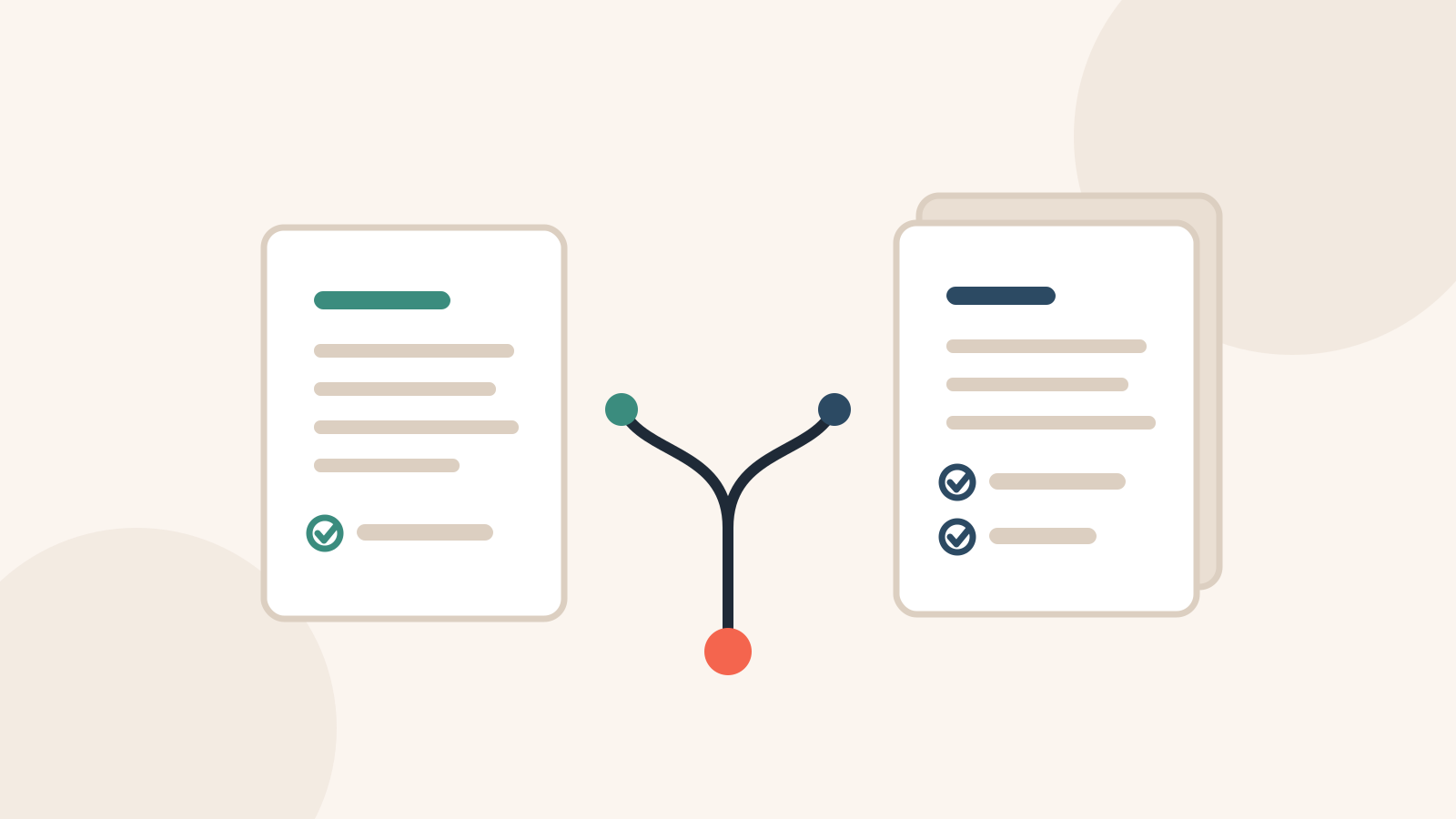
Some children are gifted and have a learning or attention difference at the same time. The term is twice-exceptional, or "2e." The two exceptionalities don't sit side by side politely - they hide each other. The giftedness lets the child compensate, so the disability goes unnoticed. The disability drags down output, so the giftedness gets dismissed. The result is a kid who lands in the maddening middle: too capable to obviously qualify for help, too challenged to thrive without it. On paper they look "average." In reality they're working twice as hard to appear ordinary.
Giftedness and learning differences are independent traits - being strong in one area of the brain doesn't protect the others. A child can have exceptional verbal reasoning and, at the same time, dyslexia, an attention difference, dysgraphia, or a processing-speed weakness. Because our systems tend to screen for one thing at a time - the gifted program looks for strengths, the support team looks for deficits - the child who has both slips through both nets. The compensation itself is the trap: a 2e kid uses raw intelligence to paper over the gap for years, until the work gets demanding enough that the strategy runs out, often around the upper-elementary or middle-school jump.
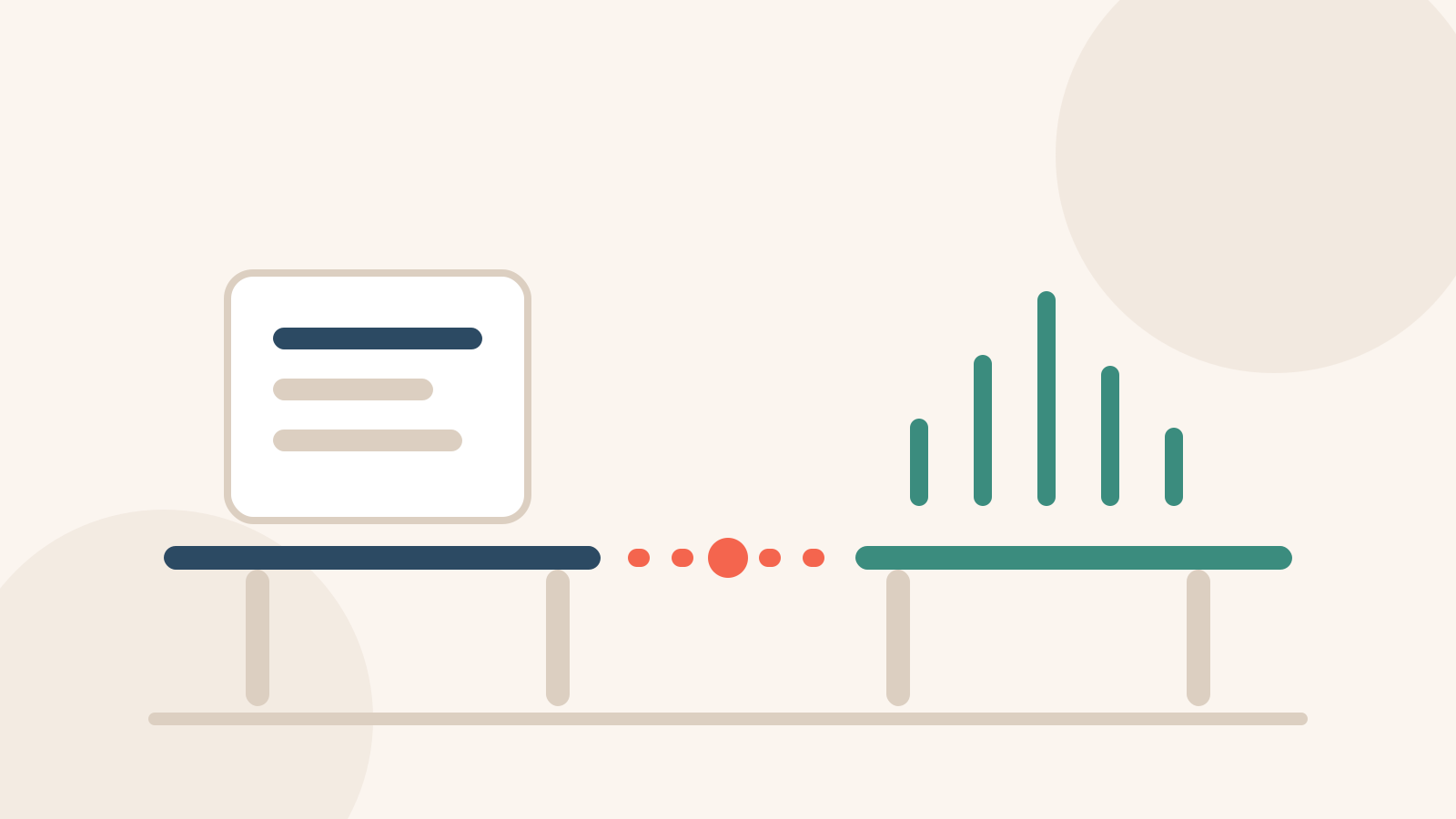
Because 2e kids are so good at hiding the gap, they often need someone to look closely and precisely at what's strong and what's stuck. A structured academic assessment can separate the strengths from the specific weaknesses - identifying, say, that a verbally gifted child has an underlying reading-decoding or writing-fluency gap that targeted instruction can address. A free Sylvan academic assessment is a straightforward way to map exactly where the peaks and valleys are, so support fits the child instead of the label. For a fuller picture of giftedness alongside a suspected learning or attention difference, a psychoeducational evaluation (through the school or privately) is the more comprehensive route.
Yes. Twice-exceptional specifically means high ability plus a co-occurring difference - the two are independent and commonly overlap.
Because the child performs "well enough." Giftedness masks the disability and the disability masks the giftedness, so standard screens - tuned to find one or the other - miss the combination.
The giftedness and the difference are both lasting. What changes with the right support is whether the child spends their energy compensating or actually learning.
This article is for general information and is not a diagnosis or evaluation. Identifying giftedness and learning differences requires assessment by qualified professionals who can work with your child directly.
A quick, no-pressure assessment pinpoints exactly where your child is and what actually moves the needle. You'll leave with a clear picture, not a sales pitch.
Book a free assessmentSometimes the struggle points to anxiety, attention, or regulation. If that resonates, talking with a behavioral health specialist can help, whenever you're ready.
Explore behavioral supportBeyond Grade Level and Aspenhill are affiliated. This is educational information, not medical advice.