A 504 and an IEP are not the same thing, and the difference decides what your child is actually entitled to. Here's what each one does, and how to tell which one fits.
Your child is struggling, the school agrees something's needed, and suddenly you're handed a choice between two things that sound almost identical: a "504 plan" or an "IEP." Nobody fully explains the difference, both come with acronyms and meetings, and you're supposed to advocate for the right one - without a clear sense of what separates them. Worse, families often report being nudged toward a 504 because it's faster and lighter for the school, even when their child may need more.
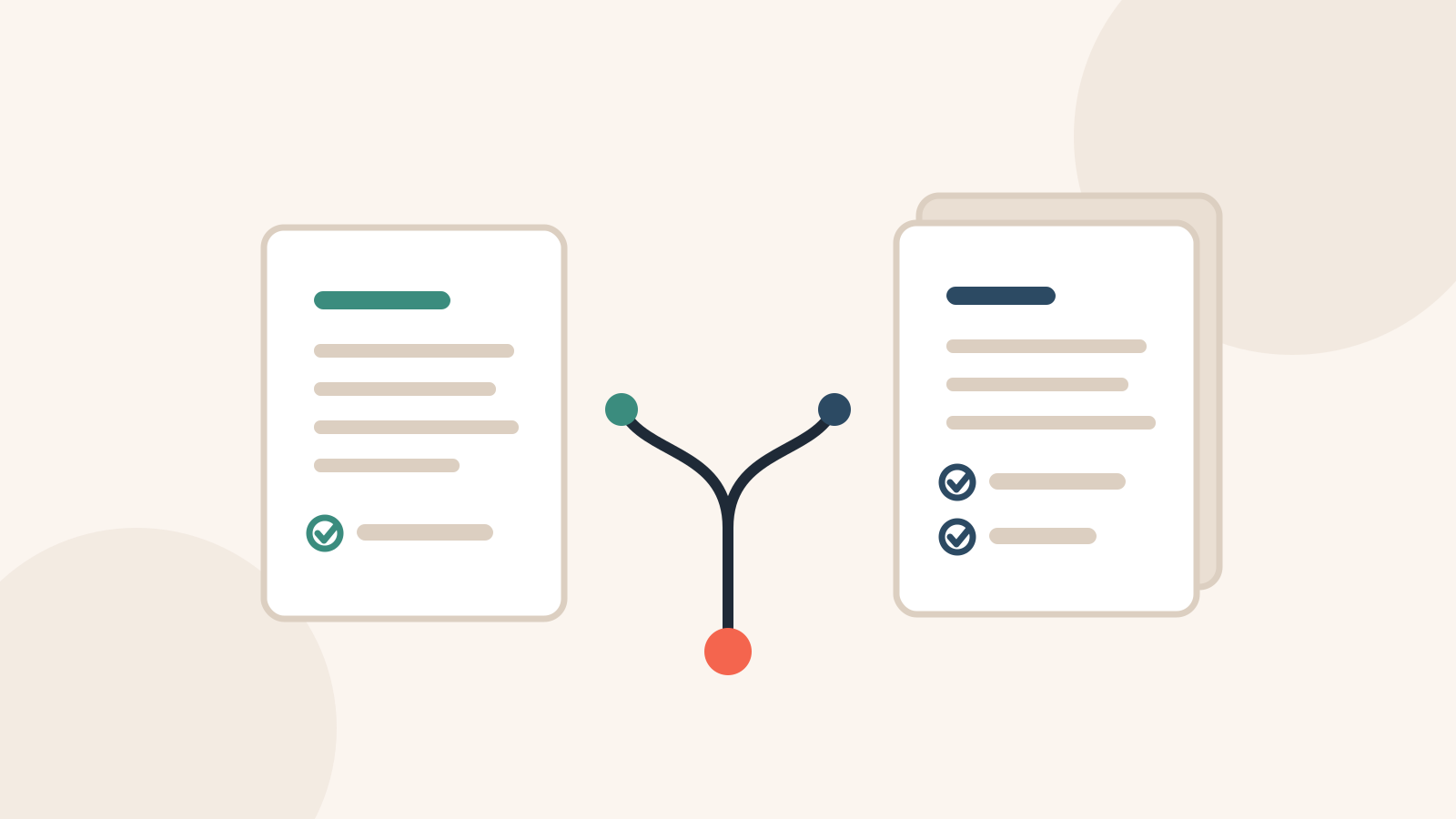
They come from two different laws, and that's the key to the whole thing.
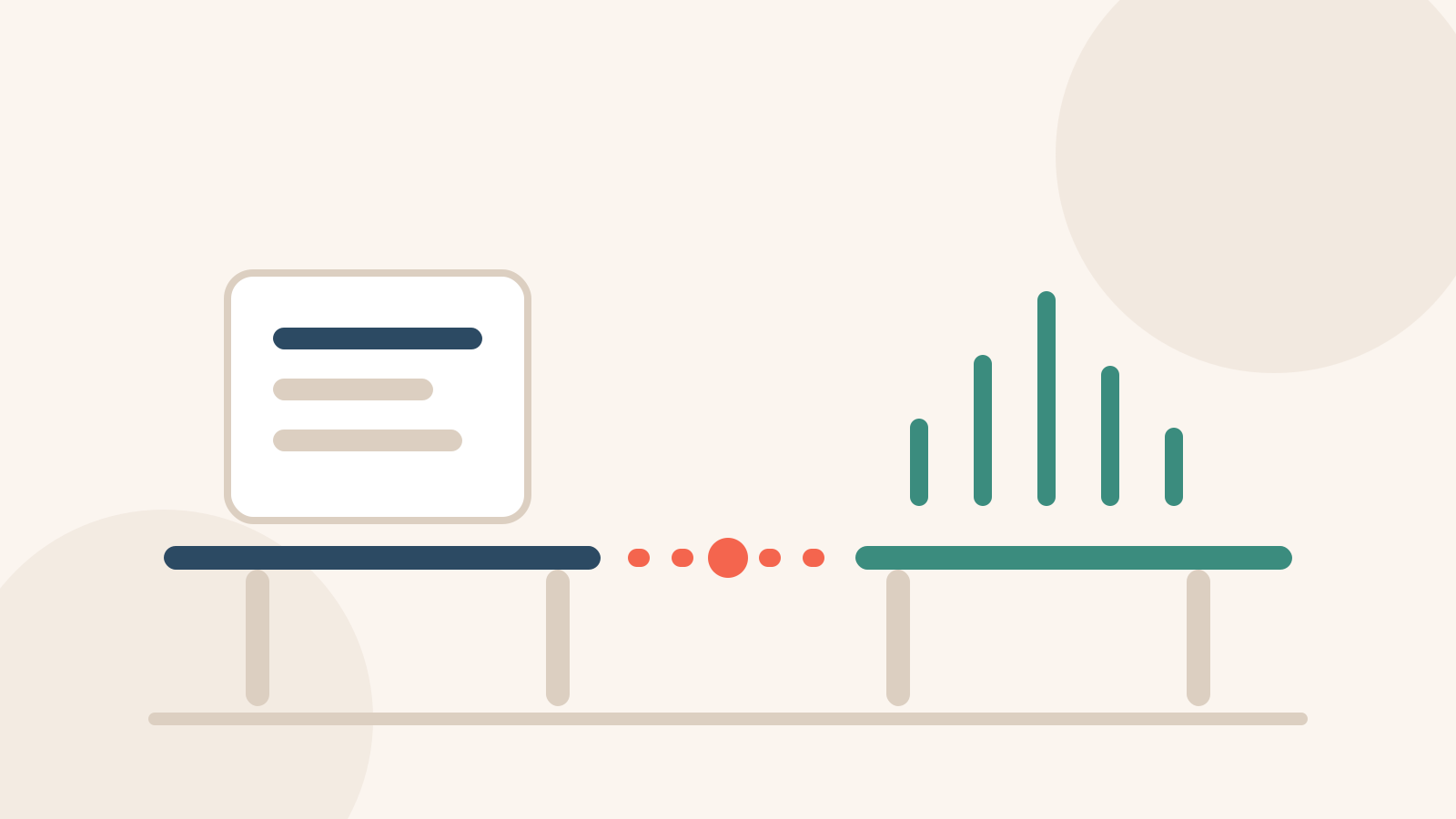
A 504 plan comes from Section 504 of the Rehabilitation Act - a civil-rights law. Its job is access: removing barriers so a child with a disability can learn alongside peers. Think accommodations - extended time, preferential seating, breaks, assistive tech, a modified homework load. A 504 changes the conditions around learning. It does not, by itself, provide specialized teaching.
An IEP (Individualized Education Program) comes from IDEA, the special-education law. To qualify, a child must have one of the law's specific disability categories and need specialized instruction because of it. An IEP can include all the accommodations a 504 offers - plus individualized goals, progress monitoring, specialized instruction (like structured reading intervention), and related services such as speech or occupational therapy. It changes what and how the child is taught, and it comes with stronger legal protections.
So the honest one-liner is the reverse of the myth: an IEP generally does more than a 504, not less. A 504 is the right tool when a capable child mainly needs barriers removed. An IEP is the right tool when a child needs to be actively taught differently.
A 504 is easier and quicker for a district to put in place, which is part of why it's sometimes offered first. That's not automatically wrong - for many kids a 504 is genuinely the right fit. But if your child needs to be taught reading in a different way and you accept a plan that only gives extra time, the core problem doesn't move. Knowing which law you're operating under tells you what you're actually entitled to ask for.
This is complex, and you don't have to navigate it alone. Free, parent-friendly explainers from Understood.org and your state's federally funded Parent Training and Information Center can walk you through your specific rights and the exact steps in your district. If a private evaluation would help clarify what your child needs, that's another avenue worth exploring.
Generally no - an IEP already includes the kinds of accommodations a 504 provides, so a child with an IEP doesn't also need a separate 504.
Neither is universally better; they serve different needs. The better plan is the one that matches what your child actually requires - access vs. specialized instruction.
Yes. Plans can be revisited and changed as your child's needs change. If a 504 isn't working, you can request an evaluation for an IEP.
This article is for general information and is not legal advice or a diagnosis. Special-education rules have federal baselines but vary by state and district; consult your school and, where helpful, a qualified advocate or professional about your child's specific situation.
A quick, no-pressure assessment pinpoints exactly where your child is and what actually moves the needle. You'll leave with a clear picture, not a sales pitch.
Book a free assessmentSometimes the struggle points to anxiety, attention, or regulation. If that resonates, talking with a behavioral health specialist can help, whenever you're ready.
Explore behavioral supportBeyond Grade Level and Aspenhill are affiliated. This is educational information, not medical advice.