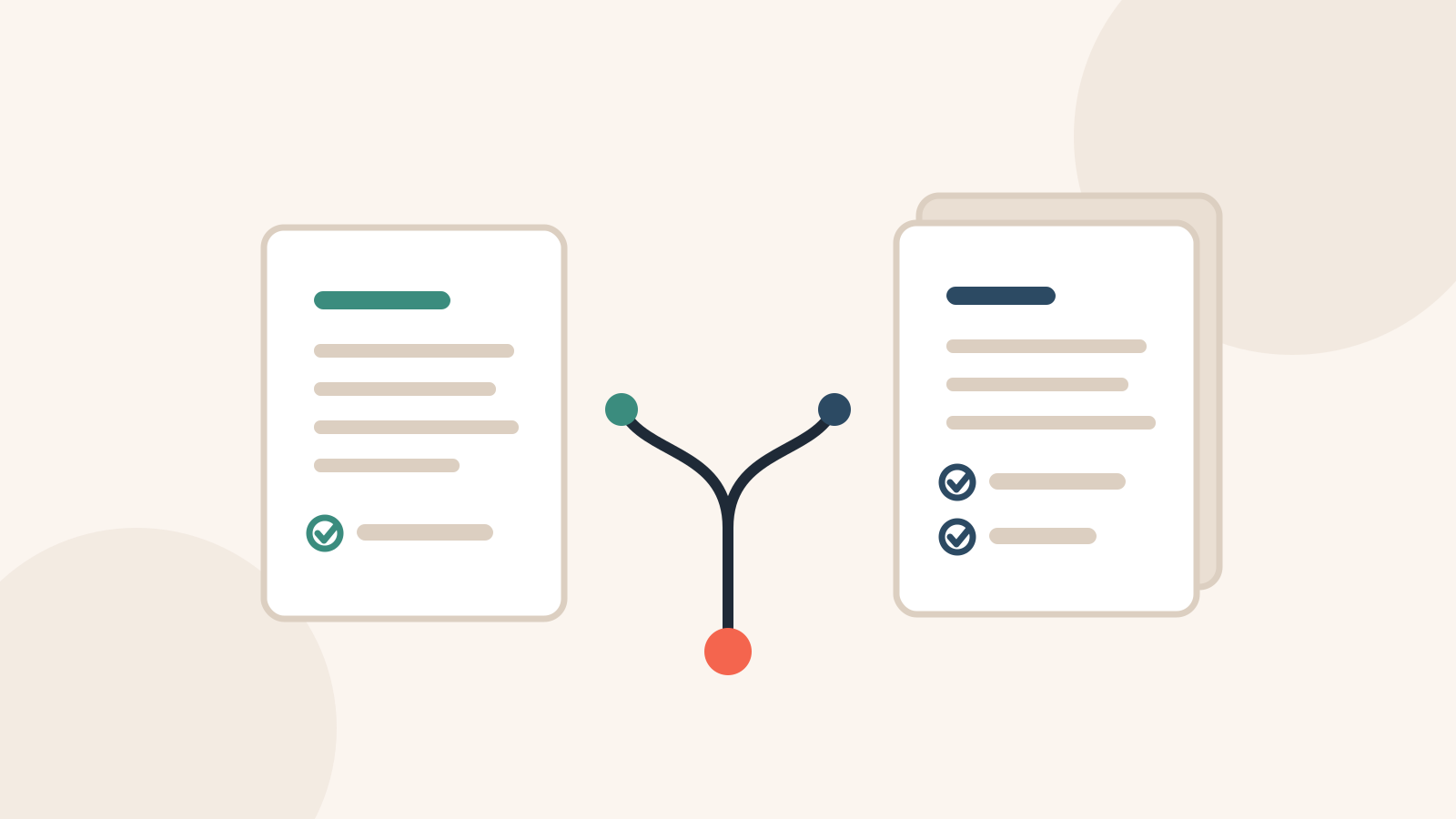
Worried your child's reading is behind? Here are the signs that separate a normal late bloomer from dyslexia, and what to do next.

Every parent of a struggling reader asks the same quiet question: is this just taking longer for my kid, or is something actually wrong? It's an agonizing spot, because the advice you hear splits in two directions - "give it time, kids develop differently" versus "early intervention is everything." Both can't be fully right for your child. There are specific, observable differences between a late bloomer and dyslexia, and knowing them lets you stop guessing.
Reading isn't natural the way speaking is - every brain has to be wired for it through instruction. Some children simply wire a little later and then catch up fully; that's a late bloomer. Dyslexia is different: it's a specific, brain-based difference in how a person processes the sounds within words (phonological processing). It's not about intelligence, effort, or vision. A dyslexic child can be brilliant and still struggle to connect letters to sounds. A late bloomer catches up on their own, while dyslexia responds to a specific kind of structured instruction - and largely doesn't improve without it.
Difficulty rhyming, breaking words into sounds, or blending sounds together - often visible before formal reading even starts.
A late bloomer reads accurately but slowly; dyslexia often shows inconsistent, effortful decoding and spelling that seems to defy the rules each time.
Your child understands a story read aloud far better than one they read themselves. Their ideas outpace their ability to get words off the page.
Dyslexia runs in families. A parent or sibling who struggled with reading raises the odds.
They're trying hard, maybe harder than peers, and still stuck. Late bloomers usually progress with normal exposure; dyslexia plateaus despite effort.
If several of these ring true, don't wait for the "give it time" advice to run its course - the research on reading is clear that earlier structured support works better and faster. Start by asking the school for a reading evaluation, and look into structured literacy (also called Orton-Gillingham-based) instruction, which has the strongest evidence for dyslexic readers. You don't need a formal diagnosis to begin building the skills.
Signs can appear as early as preschool (trouble rhyming or learning letter sounds), and dyslexia can be reliably identified by kindergarten or first grade - often before a child is formally "behind." Earlier support tends to work better.
No - dyslexia is lifelong, but it's highly manageable. With structured literacy instruction, dyslexic readers can become strong, capable readers. The difference doesn't disappear, but the struggle can.
A late reader catches up on their own with normal instruction; dyslexia is a persistent, sound-processing difference that plateaus despite effort and generally requires specific, structured teaching to improve.
A quick, no-pressure assessment pinpoints exactly where your child is and what actually moves the needle. You'll leave with a clear picture, not a sales pitch.
Book a free assessmentSometimes the struggle points to anxiety, attention, or regulation. If that resonates, talking with a behavioral health specialist can help, whenever you're ready.
Explore behavioral supportBeyond Grade Level and Aspenhill are affiliated. This is educational information, not medical advice.