
The school says your child qualifies for intervention. A friend says get a tutor. They do different jobs - and the right answer depends on a question most parents are never asked.
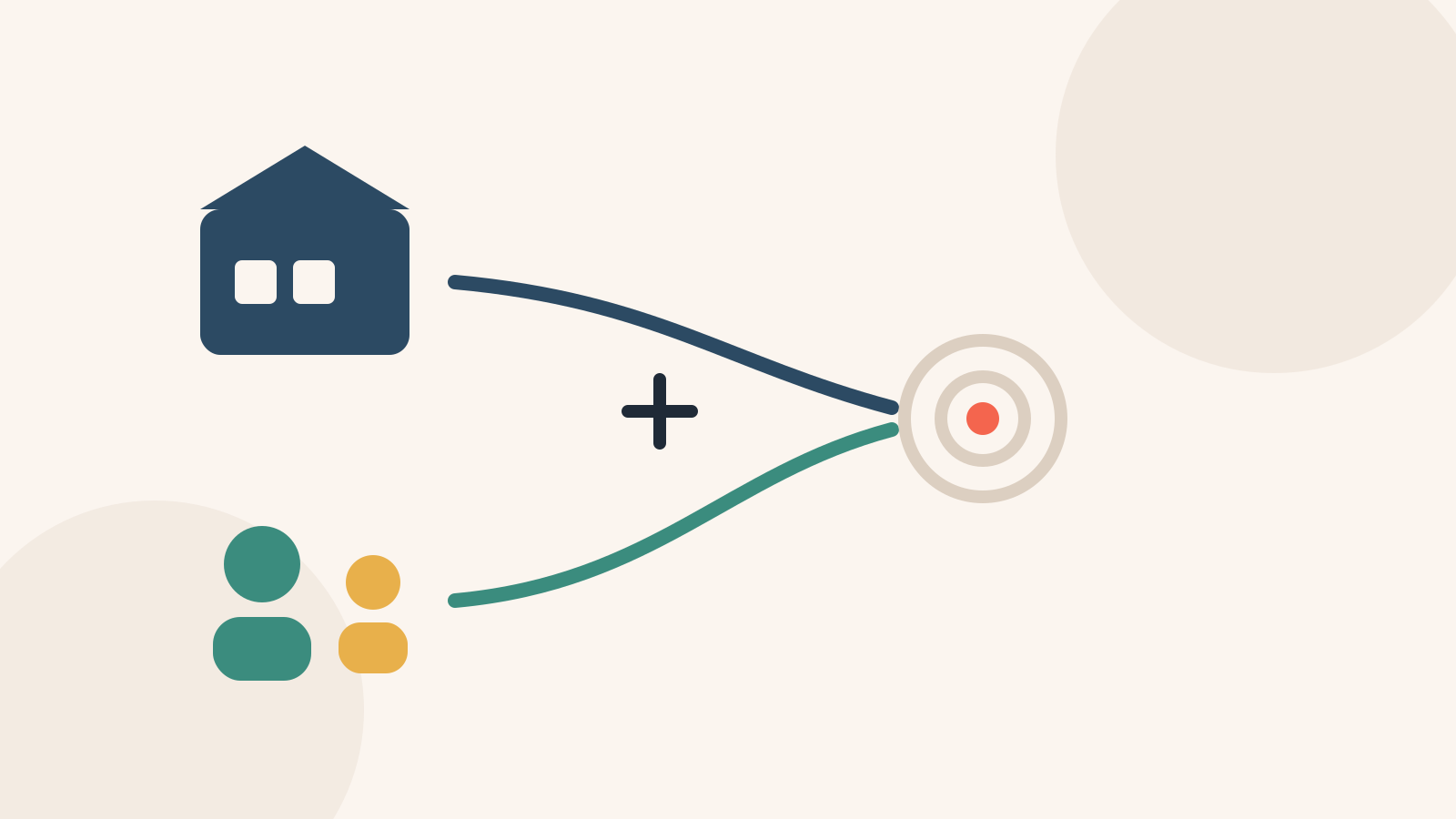
The school tells you your child qualifies for intervention. Someone at the soccer field tells you to just get a tutor. Both sound reasonable, both cost you something - time, money, or the political capital you'll need at the next school meeting - and nobody explains how they differ.
They aren't competing versions of the same thing. They're built for different jobs, and once you can see which job you actually have, the decision gets much easier.
School-based support - whether that's an IEP, a 504 plan, or a Title I reading group - is an entitlement. If your child qualifies, the district is legally obligated to provide it, at no cost, with written goals and progress monitoring. It happens during the school day, it's coordinated with the classroom teacher, and it comes with legal protections you can enforce. (If you're still working out which plan your child needs, the difference between a 504 and an IEP is worth understanding first.)
Private tutoring is a service you buy. No eligibility test, no meeting, no waiting for an evaluation window. You choose the provider, the method, the schedule, and the intensity, and you can change any of it next week if it isn't working. You also pay for it, and it happens on top of an already long day.
The honest summary: school support is free and enforceable but slow and rationed. Tutoring is fast and targeted but costs money and carries no legal weight.
Push hard for school support when your child has a diagnosed or suspected disability, needs accommodations to access the classroom at all, requires related services like speech or occupational therapy, or when the protections matter - a documented plan follows your child from grade to grade and teacher to teacher in a way a tutor never can.
Go private when the school has said your child doesn't qualify but you can see the gap, when you need to start now rather than in three months, when the specific gap is narrow and well-defined, or when your child needs a different relationship with the material than school can provide - someone with no history, no grades, and no audience of peers.
The framing that traps families is treating this as either-or. In practice the two do different work at the same time: the IEP secures accommodations and specialized instruction inside the school day, while targeted outside instruction closes the specific foundational hole that's making current grade-level work impossible.
What you want to avoid is duplicating. If the school is running structured literacy four times a week, a second reading tutor using a different method can confuse a child rather than help. Ask each side what they're working on and make sure the answers are complementary.
The step that makes every other decision easier is knowing precisely where your child's skills sit - not the grade, the underlying skills. A free Sylvan academic assessment pinpoints the specific gaps, which tells you whether you're looking at a narrow hole that targeted instruction can close or something broader that belongs in a school evaluation. For your rights and the exact process in your district, Understood.org and your state's Parent Training and Information Center are free and genuinely useful.
It shouldn't, and it's a common worry. Districts evaluate based on your child's needs. In practice, tutoring records can help by documenting that the difficulty persisted despite additional support.
That's a common outcome and not the end of the conversation. You can request an independent educational evaluation, ask what specific criteria weren't met, and address the gap privately in the meantime. "Not eligible" is a statement about thresholds, not about whether your child is struggling.
Ask what method they use and what evidence supports it, how they'll measure progress, and how often you'll get an update. For reading in particular, ask specifically whether the instruction is structured literacy - vague "reading help" is the least useful thing you can buy.
This article is for general information and is not legal advice or a diagnosis. Special-education rules have federal baselines but vary by state and district; consult your school and, where helpful, a qualified advocate or professional about your child's specific situation.
A quick, no-pressure assessment pinpoints exactly where your child is and what actually moves the needle. You'll leave with a clear picture, not a sales pitch.
Book a free assessmentSometimes the struggle points to anxiety, attention, or regulation. If that resonates, talking with a behavioral health specialist can help, whenever you're ready.
Explore behavioral supportBeyond Grade Level and Aspenhill are affiliated. This is educational information, not medical advice.