The kid who's no trouble at school and comes apart at home hasn't had two different days. They've been masking - and here's what that costs them, and what helps.
Maybe a teacher said it offhand: "Oh, they're great in class - never a peep." Maybe you read something at 11 p.m. and your stomach dropped because it described your child exactly. Either way, the picture finally snaps into focus: the kid who's "no trouble" at school and comes apart the second they're home hasn't been having two different days. They've been spending every ounce of energy performing okay for six hours, and paying for it the moment they're safe with you.
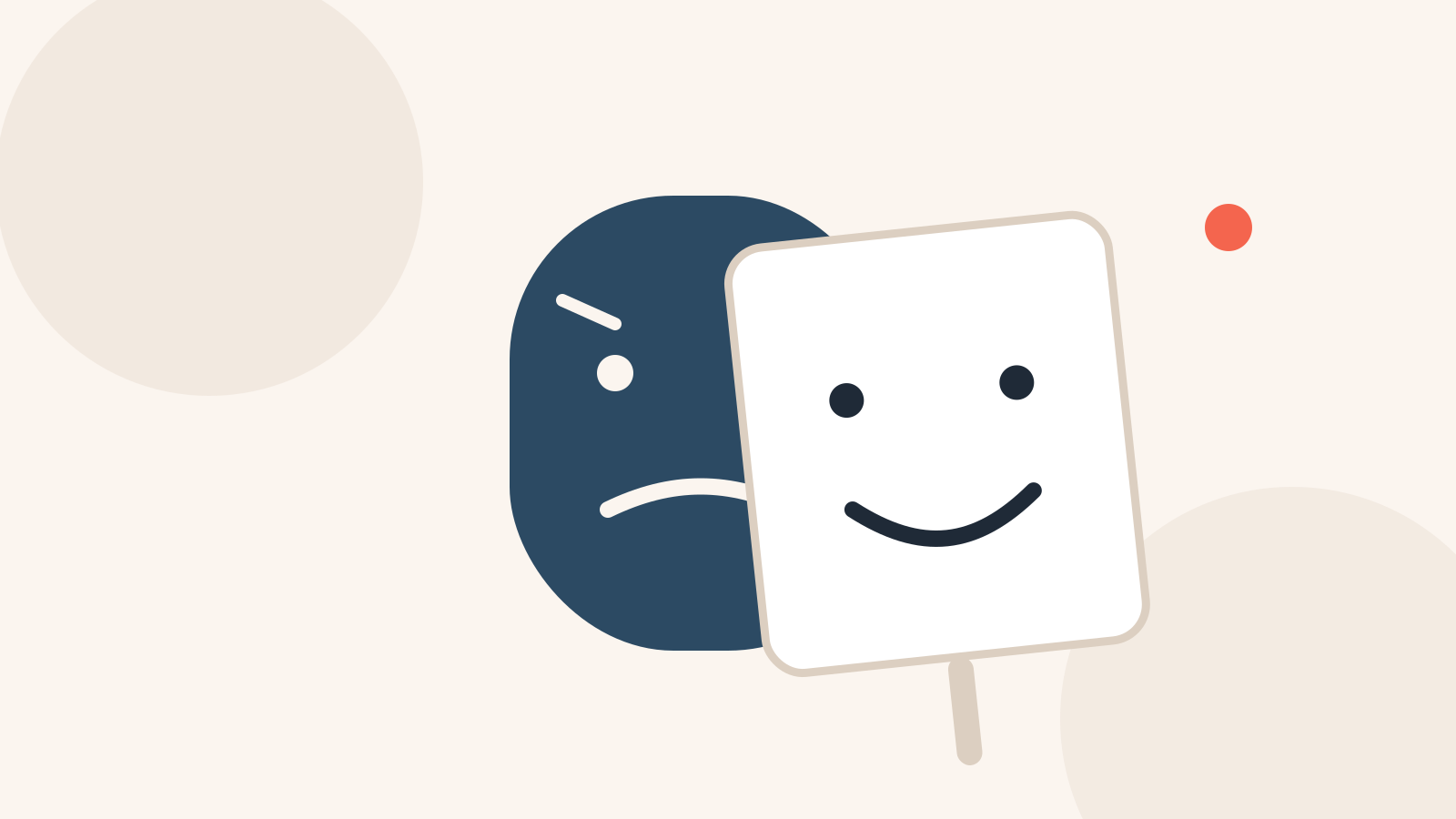
This is often called masking - a child working overtime to look "fine" and blend in: copying what other kids do, suppressing the urge to move or stim, forcing eye contact, holding in questions, white-knuckling through noise and transitions. It's exhausting, invisible, and effective, which is the cruel part. Because the child performs so well, the adults around them conclude nothing is wrong. Meanwhile the effort is enormous, and it all comes due after the bell - as meltdowns, shutdowns, tears, or a kid who just goes quiet and disappears into a screen.
Kids mask because they've absorbed the message - sometimes without anyone saying it directly - that their natural way of being isn't acceptable, so they hide it to fit in and avoid trouble. It's a survival strategy, and it works well enough to fool the very adults who could help. But constant self-suppression has a cost: chronic exhaustion, anxiety, a shaky sense of self, and eventually burnout. And because masking makes the struggle invisible, these are often the kids who wait longest to get support - everyone thinks they're fine. Finding out isn't a failure on your part. It means your child trusts you enough to finally stop performing.
If the after-school crashes are intense, your child seems anxious or shut down, or you suspect an underlying attention, learning, or sensory difference is driving the effort, it's worth a closer look from someone who can see past the mask. Start with your pediatrician, and for plain-language guidance on masking and what helps, the first-person and parent resources at the Child Mind Institute and Understood.org are a solid, no-pressure starting point.
No. Good behavior isn't draining. Masking is effortful self-suppression that leaves a child depleted - the tell is the crash afterward.
Because fitting in and avoiding negative attention feel safer than standing out. Masking is protective, even though it costs them.
Make home a low-demand recovery zone, believe what your child tells you about their day, and if the pattern is significant, get a professional's read on what's underneath it.
This article is for general information and is not a diagnosis or medical advice. Masking can accompany many different profiles; if you're concerned, consult a qualified professional who can evaluate your child directly.
A quick, no-pressure assessment pinpoints exactly where your child is and what actually moves the needle. You'll leave with a clear picture, not a sales pitch.
Book a free assessmentSometimes the struggle points to anxiety, attention, or regulation. If that resonates, talking with a behavioral health specialist can help, whenever you're ready.
Explore behavioral supportBeyond Grade Level and Aspenhill are affiliated. This is educational information, not medical advice.