
Six weeks in, parents watch the report card. The first real change shows up somewhere else entirely - and knowing where to look keeps families from quitting too early.
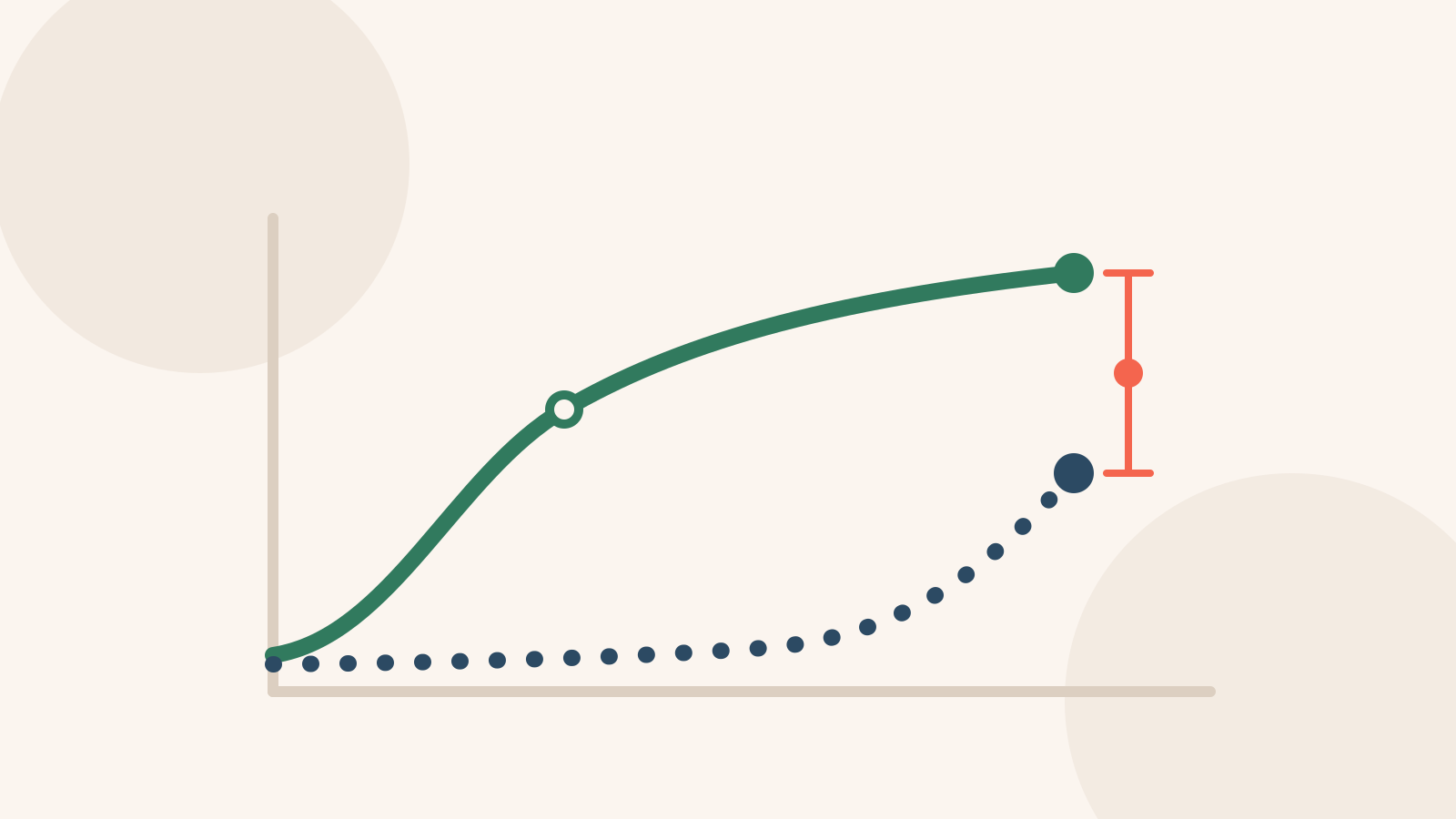
You started getting help six weeks ago, and you have been watching the grade. Refreshing the portal. Waiting for the number to move so you know it's working.
Meanwhile something else happened that you might not have logged as progress: your child opened the homework folder without being asked. Or said "I got one wrong" without the evening falling apart. Or, for the first time in a long time, guessed out loud in front of you.
That's the actual first result. Not the grade - the willingness. And parents who don't know to look for it often conclude nothing is working right at the moment it starts to.
When a child has been struggling for a while, two separate things have gone wrong. There's the skill gap - the decoding, the math facts, the writing fluency. And there's what the child has decided about themselves because of it: I'm the dumb one. I'm bad at reading. Why bother.
The second one is usually what's holding the ceiling down. A child who believes effort is pointless protects themselves by not trying, and a child who isn't trying can't show you what they know. So the belief has to shift before the performance can. That shift is quiet, it happens at home before it happens at school, and it never shows up on a report card.
In roughly the order families tend to notice it:
Only after that does the work output rise - and only after that does the grade follow, because a grade is an average of everything that came before, including the weeks when nothing was working.
Three things stack up. Grades average in the earlier low scores, so a genuinely better November can still read as a mediocre quarter. Academic skills are cumulative, so a child filling a second-grade decoding gap in fourth grade has to close the old hole before the current work gets easier. And most assessments happen on a schedule that has nothing to do with when your child actually turned a corner.
None of that means the work isn't landing. It means the grade is a lagging indicator - the last thing to move, not the first.
If the willingness isn't moving either - if months have passed and your child is still avoiding, still flat, still describing themselves as bad at school - then something underneath probably hasn't been identified yet. Effort without a target tends to produce more discouragement, not less.
A structured academic assessment maps exactly where the skills sit, which turns a vague "he's behind in reading" into a specific, workable gap. Sylvan's free academic assessment is a low-pressure way to find out what you're actually working on. If the flatness looks more like mood than like school - lasting weeks, showing up everywhere, not just at homework - that's worth raising with your pediatrician instead.
It varies with how large the gap is and how long it's been open, but a full grading period is a reasonable first checkpoint - and behavior changes usually arrive well before that. If nothing has shifted in either confidence or output after a couple of months, revisit whether the right gap is being worked on.
No. It's sequencing. A child who won't attempt the work can't demonstrate skill, so willingness is the prerequisite for measurable progress, not a substitute for it.
Common, and not a contradiction. Children unmask at home first, where it's safe. Classroom evidence usually follows a few weeks later. Tell the teacher what you're seeing so they know to watch for it.
This article is for general information and is not a diagnosis or medical advice. If you have concerns about your child's learning, mood, or development, consult a qualified professional who can evaluate your child directly.
A quick, no-pressure assessment pinpoints exactly where your child is and what actually moves the needle. You'll leave with a clear picture, not a sales pitch.
Book a free assessmentSometimes the struggle points to anxiety, attention, or regulation. If that resonates, talking with a behavioral health specialist can help, whenever you're ready.
Explore behavioral supportBeyond Grade Level and Aspenhill are affiliated. This is educational information, not medical advice.