
Your child holds it together all day at school, then detonates the moment they get home. It's called restraint collapse - and the homework isn't the real problem.
Your child holds it together all day at school. Teachers describe them as "no trouble at all." Then they walk through the door - or sit down to homework - and detonate over something small: the wrong snack, a pencil, a single math problem. The intensity is baffling. You didn't do anything. They were fine an hour ago. And it happens at almost the same time every day.
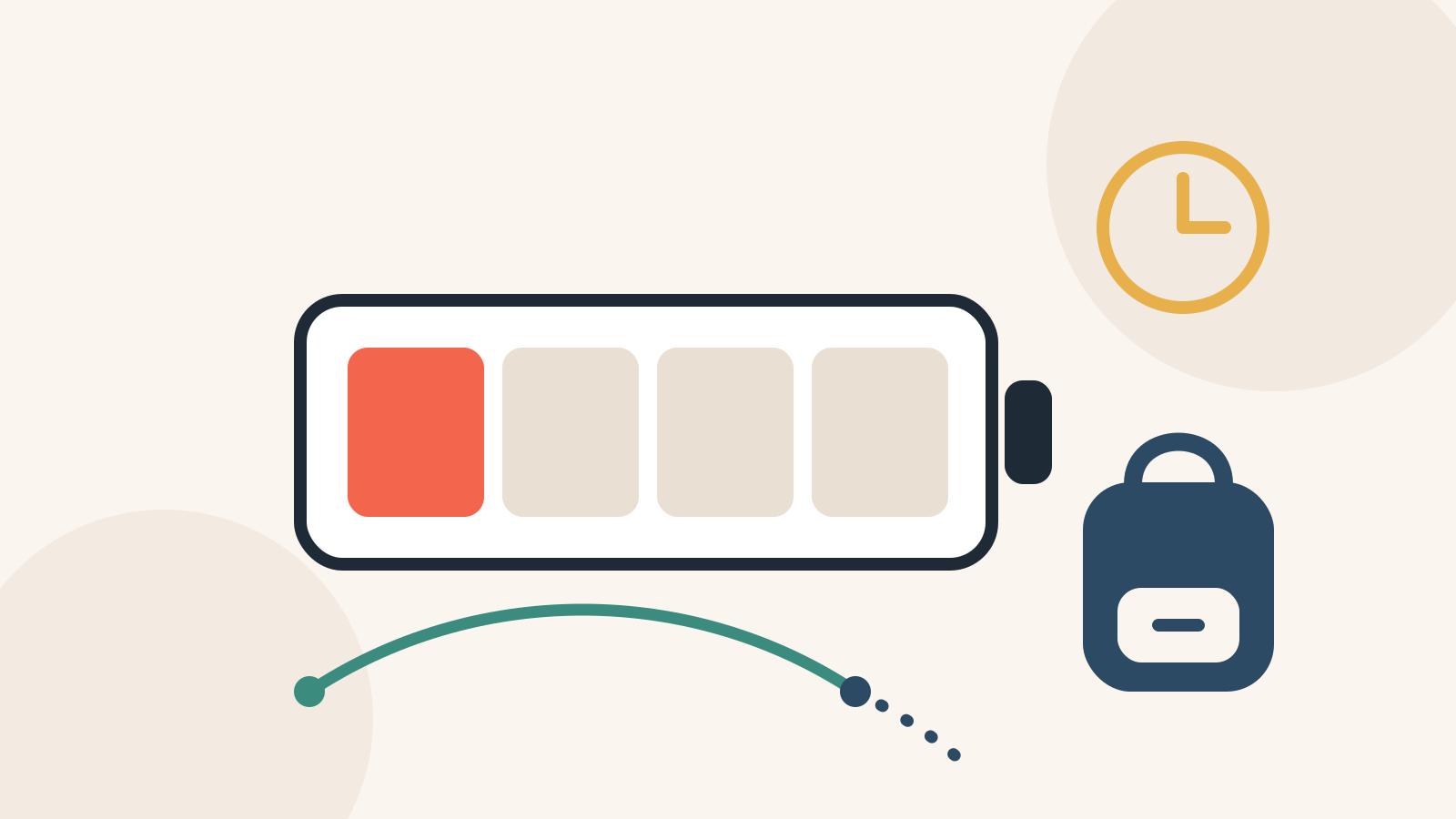
This has a name: after-school restraint collapse. All day, your child works hard to hold it together - following rules, sitting still, managing friendships, coping with noise and demands, keeping their feelings in check. That self-control runs on a finite tank. By the end of the day the tank is empty, and home is the one place safe enough to let it all out. The homework meltdown often isn't about the homework at all. Homework just happens to be the first hard thing asked of a completely depleted kid, in the safest place they know.
Self-regulation is like a muscle, and school is a full-day workout for it. Kids spend hours suppressing impulses, masking big feelings, and meeting constant expectations - and young brains have less capacity for that than we assume. When they get home, the effort of "being good" stops, and everything they've been holding back comes out at once. It shows up at home because home is safe: they trust you enough to fall apart in front of you. Counterintuitively, the meltdown is a sign of security, not disrespect. Pushing hard tasks like homework into that exact window is like asking someone to sprint right after a marathon.
Daily after-school decompression is normal, especially early in a school year. But if the meltdowns are severe, aren't easing with a solid routine, include aggression or self-harm, or are bleeding into the school day too, it's worth talking with a professional to rule out an underlying anxiety, sensory, or learning issue that's making the day harder than it should be. Your pediatrician is a good first call, and free parent guides from Understood.org and the Child Mind Institute can help you tell ordinary end-of-day depletion from something that needs more support.
Because you're safe. They spend the day holding it in and release it where they trust they won't be rejected - with you.
Not on its own. Restraint collapse is common and developmentally normal. It's the severity, duration, and whether a good routine helps that tell you if more support is needed.
Not skip - reschedule. Regulate first (food, downtime, movement), then return to the task. A dysregulated brain can't do the work anyway.
This article is for general information and is not a diagnosis or medical advice. If you're concerned about your child's behavior, mood, or development, consult your pediatrician or a qualified professional who can evaluate your child directly.
A quick, no-pressure assessment pinpoints exactly where your child is and what actually moves the needle. You'll leave with a clear picture, not a sales pitch.
Book a free assessmentSometimes the struggle points to anxiety, attention, or regulation. If that resonates, talking with a behavioral health specialist can help, whenever you're ready.
Explore behavioral supportBeyond Grade Level and Aspenhill are affiliated. This is educational information, not medical advice.